
HealthyRetired · Vivere Parvo · Personal experience by Healthy Retired
Vivere parvo means living with little. For me, that includes looking after my health while using fewer resources and throwing less away.
Because I eat mainly whole foods, I try to make good use of what I buy. I also look for ways to reduce waste outside the kitchen. One of them is a small daily habit: shaving.
Soap, a brush and a blade
I shave with shaving soap, a brush and a razor blade. I do not need an aerosol can of shaving foam.
The brush makes a lather from the soap, and one block lasts me more than a year. That is my experience; how long it lasts for someone else will depend on the size of the block, how often they shave and how much they use.
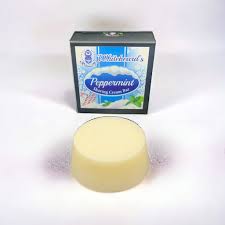
The shaving-soap picture I supplied for this article. The product shown is labelled peppermint shaving cream soap.
It is a simple arrangement, and it suits me. Fewer replacements to buy, and no empty foam cans from my shaving routine to dispose of.
Cleaning before replacing
When my razor seems less effective, I do not immediately throw the blade away. I soak it and use an old toothbrush to remove the buildup. In my experience, it can feel much better afterwards—sometimes almost like new.
There is an important distinction, however: a clogged blade and a worn blade are not the same thing. Removing soap and hair can improve the performance of a clogged razor. It does not sharpen a genuinely dull cutting edge or repair corrosion.
My cleaning habit is a personal account, rather than a recommendation to scrub every type of blade. Razor designs differ, and brushing directly against a fine edge can damage it or cause injury. Follow the maker's care instructions. Gentle rinsing is a better default than scraping or scrubbing the cutting edge. [1]
An old toothbrush can still have a useful second life cleaning a suitable razor handle or other household objects. Keep a cleaning brush separate from the one used for your teeth.
Make it last, but keep it comfortable
Useful care is straightforward: remove hair and soap residue, rinse the razor, and let it dry safely between uses. Do not leave it soaking indefinitely or store it wet. [1]
If the blade still pulls at the hairs, irritates the skin, is damaged or shows rust, replace it. Getting full use from something is sensible; forcing another shave from a worn blade is not a saving worth making.
Keep used blades safely contained and follow local disposal or recycling instructions. Loose sharp blades do not belong in a recycling bin where someone could be cut.
Less waste starts with fewer purchases
Recycling has a role, but preventing unnecessary waste is an earlier step. Buying fewer disposable items and keeping useful objects in service can reduce the amount that needs collecting and processing. [2]
Aerosol cans may be recyclable where suitable collection exists, so they do not automatically end up in landfill. My choice avoids needing those cans in the first place.
Shaving soap also comes with some packaging, and shaving uses water. I would not claim that my routine has no environmental footprint, or give it a precise carbon saving without measuring the whole system. What I can say is that it reduces my need for disposable foam containers.
Using only the water needed, letting the soap dry between uses, and keeping the brush and razor in good condition all fit the same approach.
Small habits belong in Vivere Parvo
A shaving brush is not a dramatic invention. Neither is a block of soap that lasts a long time. That is part of their appeal: a familiar routine can work without a constant stream of replacements.
For me, simpler living is about noticing these opportunities. Use what works, look after it, and replace it when it really needs replacing.
My soap lasts more than a year. My beard, unfortunately, keeps coming back.
Sources
- Gillette: razor care, rinsing and storage. Manufacturer guidance for its razors; other designs may require different care.
- US Environmental Protection Agency: reducing waste and reusing items.
Sources checked on 11 October 2026. The soap's lifespan and the cleaning experience are the author's own account. No comparative lifecycle assessment or specific cost saving is claimed.